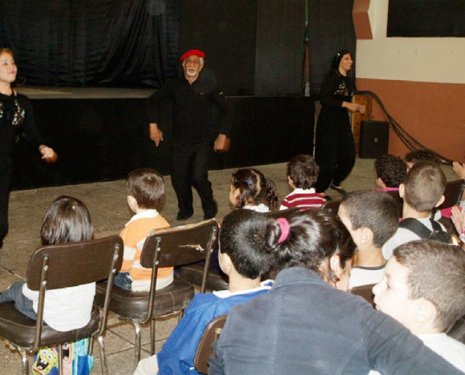
The Taza Bitter Orange Blossom Distillation Festival concluded its second edition last Sunday against a backdrop of Sufi rituals, praises of the Prophet, Quranic recitations, and sacred music sessions.
The thousand-year-old city of Taza vibrated last weekend to the rhythm of the second edition of the Moussem of bitter orange blossom distillation, an ancestral tradition passed down for centuries through generations. Organised by the Association of Arts of Sama’a and Amdah Annabaouya of Taza under the theme "Intangible heritage between authenticity and contemporary challenges", the festival was held in the Mechouar square in the centre of the Medina in Taza-Haut.
This spring Moussem, supported by the province and the elected councils of Taza, was enhanced by the traditional ritual of distilling the essence of bitter orange flowers ("Larnaj"), religious and Sufi songs, praises of the Prophet, Quranic recitations, and sacred music sessions with the participation of cantors from the Taza Association of Sama’a Arts, the women's troupe "Al Hadra" from Chefchaouen, and the "Hmadcha" group from Fes. According to tradition, the distillation of bitter orange blossom water and rose water is a centuries-old ritual celebrated in spring in an atmosphere of celebration, joy, rhythms, colours, and scents.
The city of Taza is known for its bitter orange orchards planted in Riads, residential patios, along roads and streets, or in orchards that resist the vicissitudes of time despite wild and creeping urbanisation. According to the organisers, this ritual festival has as its main objectives to animate the cultural and artistic life of the historical city of Taza, to draw the attention of officials to the encouragement of bitter orange plantations due to their decorative, aesthetic, and environmental importance, and for the promotion and development of intangible cultural heritage and, consequently, the tourist activity of Taza, with its prestigious and ancestral past.
Bitter orange flowers are picked with delicacy for their importance and value for the distillation of their essences and nectars, which have multiple uses. Indeed, "Maa zhar" (orange blossom water) or "Maa ward" (rose water) are used to sweeten coffee and tea, to give an aroma to pastries and confectionery, to alleviate heat and fever, or for skin softening, makeup removal, and beauty care. These waters are used in silver or chased bronze sprinklers ("mrach") to sprinkle guests during circumcision, birth, or wedding ceremonies, as well as during religious ceremonies.
The distillation or "taqtar" of the bitter orange flower extract is practised following a meticulous ceremony in bronze utensils, including the still ("qettar"), a copper container ("tanjra") where the flowers are placed, and the couscoussier ("keskass"), made of sheet metal, filled with water boiled over a low fire from a brazier or a gas stove. The steam released becomes impregnated with the perfume of the flowers as it passes through and leads it into a coil where a cooling system allows for its condensation. The essence of the flowers, or "Maa zhar", is then collected and put into glass vials or bottles to better preserve its quality and quintessence.