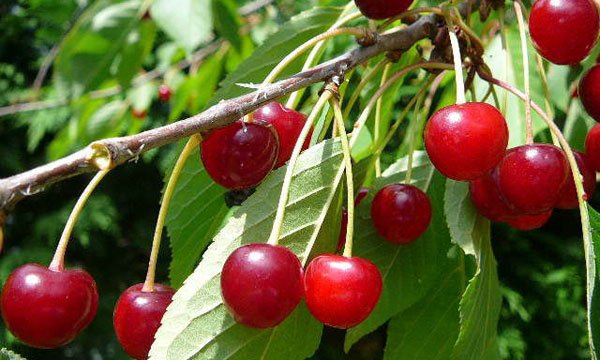
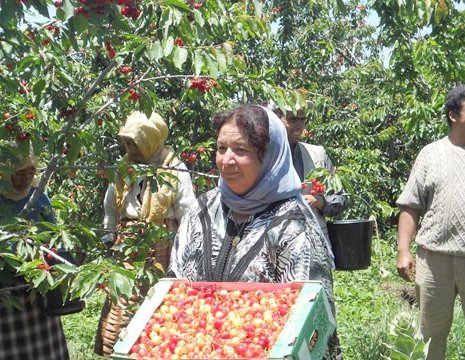
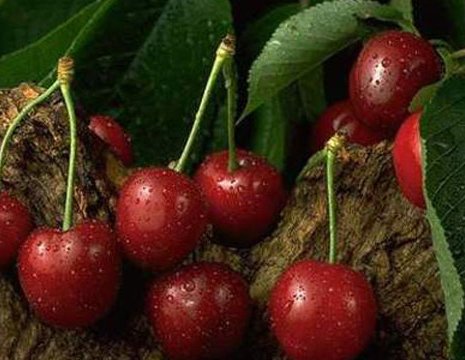
Covering an area of 1,050 hectares, including 300 hectares of young plantations, cherry cultivation enjoys significant potential in the Ifrane province, particularly in the Aïn Leuh area. To make it a vector for the region's development, the sixth edition of the Aïn Leuh Cherry Meeting, organised on 7 and 8 June at the Aïn Leuh commune level, focuses on the aspects of production enhancement and marketing. "This event, organised every year since 2009, testifies to the importance given to this sector and constitutes an opportunity to debate various themes, likely to promote the production of this highly appreciated fruit and enhance the tourist, cultural, and artistic potential of the Aïn Leuh area and the Middle Atlas," specify the organisers who chose the theme: "Enhancement and marketing of the cherry." During this meeting, workshops led by national experts in the field were marked by debates on the opportunities to be exploited, particularly collective approaches for the marketing of cherry products and new technical guidelines regarding the design of new plantations. A significant part of the debates was devoted to the constraints that hinder the development of this sector, particularly the problem of integrating small farmers into the market. The meeting was punctuated by a visit organised to a cherry orchard, the handover of a cherry juice manufacturing unit for the benefit of the Al Moustakbal cooperative, the handover of small tools intended for the equipment of a cherry jam manufacturing unit, as well as encouragement prizes for farmers.
It should be noted that cherry cultivation was introduced to Aïn Leuh (Ifrane province) during the protectorate era. It enhances certain perimeters in the Aïn Leuh commune (70%) as well as those of Tizguite, Sidi El Makhfi, Oued Ifrane, and Ben Smim. It is a sector that has been identified among the eight flagship local products of the Meknès-Tafilalet region. The cherry is a fruit species exclusively adapted to mountainous areas. Depending on the management method and the age of the trees, the yield varies between 4 and 20 tonnes/ha, with an average of 10 t/ha. This sector also benefits from particular attention in the Green Morocco Plan, which supports the implementation of two "Pillar II" projects for the benefit of small producers. These projects concern the planting of 300 hectares for 346 beneficiaries, the hydro-agricultural development of water pipes over a length of 22.2 km, the establishment of an enhancement unit, and the installation of an anti-hail station. This sector benefits, in parallel, from a local action plan in terms of agricultural advice which relies on diversified and local support actions. Designed with regional actors, this plan also works to achieve the objectives of the programme contract and the Green Morocco Plan, which provides for the extension of this crop to approximately 500 hectares.
The cherry tree at the national level: At the national level, cherry cultivation covers an area of approximately 1,600 hectares, which ensures a production of 14,100 tonnes. The production basins are located essentially in the regions of Aïn Leuh-Ifrane (66%), Chefchaouen (12%), Asni (6.5%), Khénifra (5.6%), Khémisset (3%), and Boulmane (1.5%). On the scale of the Meknès-Tafilalet region, this crop extends over 1,050 hectares and produces approximately 9,500 tonnes.
News 10 Jun 2014 3 min read
The Aïn Leuh cherry in search of enhancement