FrançaisEnglishالعربيةDeutschEspañolNederlandsItaliano中文

Your cart is empty

Adventure awaits!

About Sidi Bennour

Sidi Bennour (in Arabic: سيدي بنور) is a town in Morocco. It is located in the Doukkala-Abda region, 70 km from El-Jadida...

News in Sidi Bennour

Follow the latest news, projects, and official announcements from your ville.

News 25 Jul 2012 4 min read

Crackdown on the illegal occupation of public land

- Illegal occupation of the public domain has become widespread in indifference and impunity.
- Inhabitants of various neighbourhoods continue to shout their fed-up attitude loud and clear.
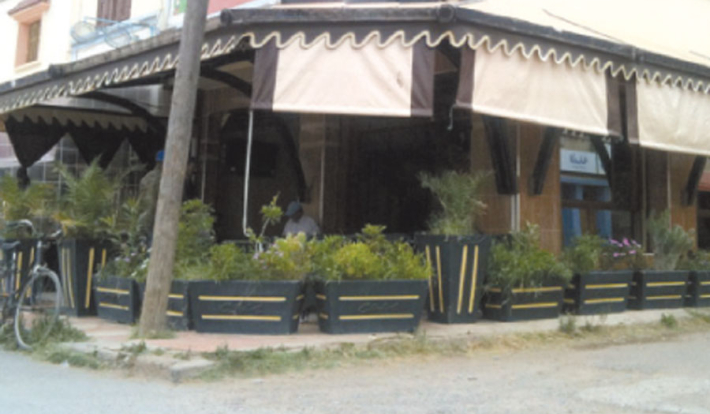
Crackdown on the illegal occupation of public land

Some business and café owners in Massira Square, and on Mohammed V and FAR avenues, have seized communal public land and abusively occupied pavements that are, in principle, reserved for pedestrians. This has exacerbated the local residents. "It is becoming almost impossible to move around because of all these rows of chairs, tarpaulins, and tables piled up on the pavements. We feel besieged," says a resident of this district in an irritated tone. Indeed, the abuses are visible, particularly along these boulevards where pedestrians are forced to slalom between café tables and chairs or the workbenches of carpenters or mechanics who have completely taken over public spaces and left no passage for pavement users. As a result, circulation on the pavements has become a daily problem for pedestrians who no longer know where to turn to make their way through these cluttered spaces. They are now forced to zigzag between chairs and tables or take a longer route to reach their destination. The elderly, the disabled, and parents with young children are the first to suffer from this situation, which has become increasingly intolerable. "Using the public highway has become a real adventure and feels like an obstacle course. You cannot walk a hundred metres without being forced to change direction. The illegal occupation of public land has reached alarming proportions without the services supposed to fight against these illegal acts showing any concern," regrets this association executive. On the side of the owners of cafés, general food stores, fruit and vegetable shops, and various food products, street vendors, and service providers, the notion of public space sounds wrong. It is nonsense to them. They think that the pavements are natural extensions of their businesses. Consequently, the issue of the illegal occupation of public space does not seem to bother them, and compliance with regulations regarding the boundaries of their businesses and terraces is not a concern. They are convinced that they are within their rights. "These people feel protected from the law because they benefit from the complacency of the authorities. You have to be blind not to notice it. The officials turn a deaf ear to the complaints of residents and shopkeepers who respect the law and act according to their mood," confided another association executive who requested anonymity. Yet, the law is clear. The occupation of public land requires an authorisation issued in accordance with a prefecture decree.


The law relating to the occupation of public land

The law only provisionally authorises individuals to occupy an area not exceeding one-third of the total surface area of the pavements. It is two-thirds when it concerns a spacious location that does not obstruct passage. However, these private domain authorisations are exceptional and always rely on an administrative decision expressly authorising the exclusive occupation of a portion of public land. The law has assigned local authorities the duty to notify the authority in order to protect these public assets against any illicit occupation, or any hindrance to the use of public domain dependencies of any kind, even if it does not result in material degradation of the property.

In the same vein, the law prohibits and punishes all actions that interfere with the normal use of the public highway or the cluttering with harmful products that would block water drainage or degrade roads, green spaces, or street furniture. These infringements of police regulations provide, in addition to the fine, the possibility of ordering the offender in certain cases to pay for the repair of the damaged public domain dependency. The law also allows the competent authorities to enact police measures prohibiting such behaviour.

Listen
Size: