

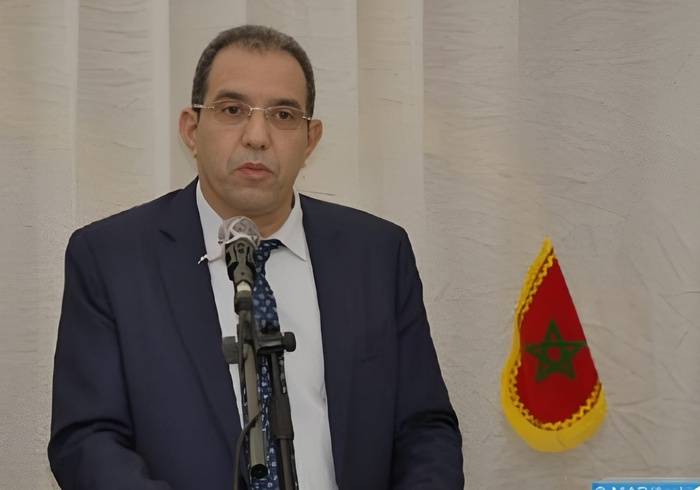
- Mr. Rahaoui, can you present the ambition of the Casablanca-Settat region regarding solar pumping?
Our region has set a clear objective: to equip 5,000 hectares with solar pumping systems by 2026. This project is part of the national "Generation Green" vision, which aims to modernise our agriculture while preserving our natural resources.
- What are the key figures of this programme?
We are working on several scales. By 2030, 35,000 hectares will be concerned at the national level, with a projected budget of *270 million dirhams*. Currently, we have already converted 4,340 hectares since 2020 in our region.
- Concretely, how is this project deployed on the ground?
We launched a pilot project in February 2024 with the Agricultural Development Fund. Over two years, we will equip these 5,000 priority hectares, particularly targeting small and medium-sized farms through adapted subsidies.
- What are the main challenges you are facing?
The initial cost remains a major obstacle, even with subsidies. This is why we have put in place a comprehensive support system:
- Enhanced financial aid
- Preferential rate loans
- A complete training programme for farmers
- A rigorous monitoring system to preserve our groundwater tables
- What benefits can farmers expect from this?
The advantages are tangible:
- A 30 to 50% reduction in energy costs
- Better water management thanks to optimised irrigation
- A decrease in environmental impact
- And above all, an increase in the competitiveness of our farms
- In the longer term, what vision do you have for regional agriculture?
Casablanca-Settat must become the spearhead of sustainable agriculture in Morocco. We anticipate *the creation of 2,000 green jobs by 2026*. This energy transition is a unique opportunity to modernise our agricultural sector while addressing climate challenges.
- A final message for our farmer readers?
I strongly encourage them to contact our services to benefit from this programme. It is together that we will build a more resilient and efficient agriculture for future generations.
Mohamed LOKHNATI
