News
31 Oct 2012
2 min read
In Imider and Tahla: Eid in the colours of protest
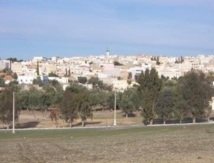
One is not always lucky enough to celebrate the Eid Al Adha festival at home. In Imider as in Tahla, the residents celebrated this Muslim ritual collectively and in the open air. Far from home. But together. A way for them to loudly proclaim their grievances. The festival, like joy, these two Amazigh communities seem to say, would have neither meaning nor taste if their problems were not solved.Some have been in a sit-in for more than a year, others have just started a similar form of protest for nearly two weeks. In both cases, there is a land problem. A problem of abusive exploitation. A problem of outdated laws, but also a problem of broken laws. Both communities want to benefit from their land and put an end to a waste of their assets that has lasted too long.It is certainly a way of saying that collective lands must be at the service of local development. The management of these la…
Continue reading with a member account
Create your free account or sign in to read this full article.