

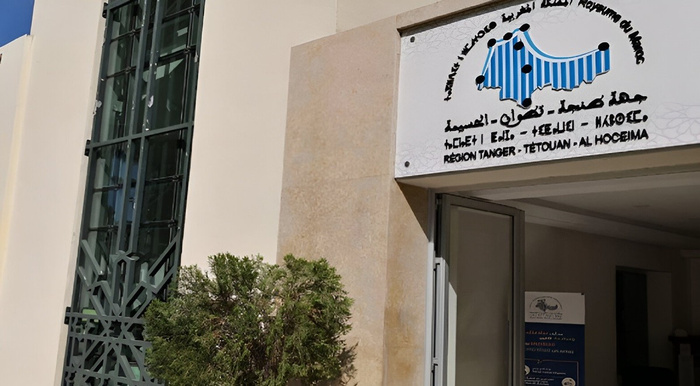
Held under the chairmanship of the President of the Regional Council, Omar Moro, in the presence of the Wali of the region, Younes Tazi, this session was an opportunity for the Council to approve the statutes, the shareholders' charter, and the capital contribution to the “Tangier-Tetouan-Al Hoceima Multiservice Regional Company S.A.”, which will be responsible for managing water distribution, electricity, and liquid sanitation services in the various prefectures and provinces of the region.
The members of the Council also approved, by an absolute majority, a framework agreement relating to the financing of the investment programme for the new model of delegated management contracts for urban and inter-communal bus transport.
The members of the Council also approved the other items on the agenda, notably a number of framework agreements relating to accelerating the implementation of the advanced regionalisation project, the management of the household and similar waste sector for the 2025-2034 period, and a partnership in the water sector.
These also include agreements concerning the programme for upgrading rural centres in the region for the 2025-2027 period, the financing of the development programme for 26 rural centres in the region, and the implementation of the integrated development programme for the emerging centre of Zoumi in the province of Ouezzane (2025-2026).
Speaking on this occasion, Mr. Moro welcomed the holding, in December in Tangier, of the 2nd edition of the National Conference on Advanced Regionalisation, stressing that the adoption of these agreements is part of the continued implementation of the advanced regionalisation project, in accordance with the High Royal Instructions.
These agreements, he continued, will also contribute to meeting a set of challenges related to the management of important sectors, such as the management and distribution of water, electricity, and liquid sanitation, in addition to urban and inter-communal transport, as well as the management of development projects.
He further noted that the current mid-term report is the result of the work of all components of the regional council, in cooperation with the Wilaya and in partnership with government sectors and their decentralised services, public institutions, territorial collectivities, civil society, and the private sector, within the framework of a participatory approach agreed upon since the beginning of the mandate, with a view to achieving the jointly set objectives and thus achieving integrated and equitable regional development.
For his part, Mr. Tazi stressed that this was an extraordinary session due to the agenda and the report of achievements presented, affirming that many gains have been made at various levels and in all provinces of the region, thanks to the work of the Council and its various partners.
He also noted the persistence of challenges and expectations that require continued efficient work and the pooling of efforts of all stakeholders, notably the implementation of the framework agreements signed during the 2nd National Conference on Advanced Regionalisation, welcoming, in this sense, the work of all components of the Council and the involvement of the various partners, notably the prefectures and provinces, as well as the deconcentrated services and public institutions, in achieving fair and balanced development between the provinces of the region.
According to the mid-term report presented by the Director General of Services at the Regional Council, Rabie El Khamlichi, the Council's contractualisation rate has reached 70% of the projects planned in the regional development programme, i.e., 160 projects and 323 agreements, with a budget of 17.85 billion dirhams (MMDH), including 6.26 MMDH as the council's contribution.
These projects cover the five axes of the regional development programme, namely global economic development and wealth creation, spatial justice and social integration, cultural influence and heritage enhancement, sustainable, inclusive, and integrated development, as well as governance, cooperation, and territorial marketing.
In this regard, the Vice-President of the Regional Council, Taoufik El Bourch, stated in a declaration to the MAP that the Council's mid-term report highlights achievements in various sectors and fields thanks to the work of the Council's leading bureau, stressing that this session was marked by the examination of the continued implementation of the advanced regionalisation project.
The members of the Council also approved, by an absolute majority, a framework agreement relating to the financing of the investment programme for the new model of delegated management contracts for urban and inter-communal bus transport.
The members of the Council also approved the other items on the agenda, notably a number of framework agreements relating to accelerating the implementation of the advanced regionalisation project, the management of the household and similar waste sector for the 2025-2034 period, and a partnership in the water sector.
These also include agreements concerning the programme for upgrading rural centres in the region for the 2025-2027 period, the financing of the development programme for 26 rural centres in the region, and the implementation of the integrated development programme for the emerging centre of Zoumi in the province of Ouezzane (2025-2026).
Speaking on this occasion, Mr. Moro welcomed the holding, in December in Tangier, of the 2nd edition of the National Conference on Advanced Regionalisation, stressing that the adoption of these agreements is part of the continued implementation of the advanced regionalisation project, in accordance with the High Royal Instructions.
These agreements, he continued, will also contribute to meeting a set of challenges related to the management of important sectors, such as the management and distribution of water, electricity, and liquid sanitation, in addition to urban and inter-communal transport, as well as the management of development projects.
He further noted that the current mid-term report is the result of the work of all components of the regional council, in cooperation with the Wilaya and in partnership with government sectors and their decentralised services, public institutions, territorial collectivities, civil society, and the private sector, within the framework of a participatory approach agreed upon since the beginning of the mandate, with a view to achieving the jointly set objectives and thus achieving integrated and equitable regional development.
For his part, Mr. Tazi stressed that this was an extraordinary session due to the agenda and the report of achievements presented, affirming that many gains have been made at various levels and in all provinces of the region, thanks to the work of the Council and its various partners.
He also noted the persistence of challenges and expectations that require continued efficient work and the pooling of efforts of all stakeholders, notably the implementation of the framework agreements signed during the 2nd National Conference on Advanced Regionalisation, welcoming, in this sense, the work of all components of the Council and the involvement of the various partners, notably the prefectures and provinces, as well as the deconcentrated services and public institutions, in achieving fair and balanced development between the provinces of the region.
According to the mid-term report presented by the Director General of Services at the Regional Council, Rabie El Khamlichi, the Council's contractualisation rate has reached 70% of the projects planned in the regional development programme, i.e., 160 projects and 323 agreements, with a budget of 17.85 billion dirhams (MMDH), including 6.26 MMDH as the council's contribution.
These projects cover the five axes of the regional development programme, namely global economic development and wealth creation, spatial justice and social integration, cultural influence and heritage enhancement, sustainable, inclusive, and integrated development, as well as governance, cooperation, and territorial marketing.
In this regard, the Vice-President of the Regional Council, Taoufik El Bourch, stated in a declaration to the MAP that the Council's mid-term report highlights achievements in various sectors and fields thanks to the work of the Council's leading bureau, stressing that this session was marked by the examination of the continued implementation of the advanced regionalisation project.
