Like the rest of the Moroccans, the Meknassis attach particular importance to the spiritual aspect during this month of Ramadan.
In addition to the religious and spiritual aspect linked to this holy month, Meknassi families give the food aspect the place it deserves, by buying the essential foodstuffs to prepare the various dishes and cakes that make Ramadan special, notes the MAP.
The multiple Souks and commercial spaces of the Ismaili capital, including the Lahdim square, Sekkakine, El Bourj, Koubat Souk or the central market of Hamria, are always full. These markets experience a large influx from the month of Chaâbane during which Meknassi families also take care to decorate their homes.
Haja El Batoule, a septuagenarian living in the old Medina of Meknès, points out that the arrival of the month of Ramadan changes the daily lifestyle of Meknassi families, specifying that it is also an opportunity to revive traditions linked to the collective memory of the Meknassis and all Moroccans.
Mrs. El Batoule notes, in a statement to the MAP, that the preparations of the Meknassis for this blessed month begin as early as the month of Chaâbane, with the purchase of the ingredients necessary for the preparation of delicious dishes, as well as new traditional clothes, including djellabas, gandouras, jabadours and caftans.
Evoking the culinary aspect, this Meknassie notes that the ftour table cannot do without harira, dates, baghrir, msemen and other treats during Ramadan.
After the long days of this holy month, the streets of Meknès regain their dynamism in the evening, especially after the Al'Ichaâ prayer and religious vigils (tarawihs), with reunions between friends and families becoming more frequent.
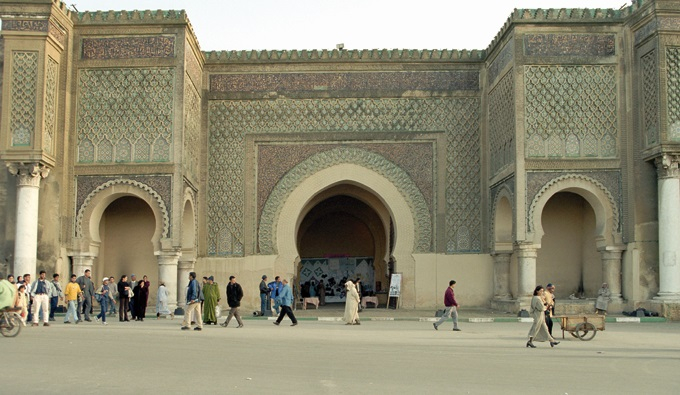
During the evenings of this blessed month, the famous El Hdime square experiences a large influx. It is indeed the place most frequented by tourists and the inhabitants of the city of Meknès both during this holy month and during the rest of the year.
In the same context, the Night of Destiny has its special rituals, notably with the preparation of the couscous and roast chicken dish by the Meknassis who are keen to celebrate this night with their family, in addition to religious vigils in the mosques.
The families of Meknès also celebrate the night of mid-Ramadan. This night is often an occasion to celebrate the first fast of the children. The celebration of the child's first fast takes place in a festive atmosphere for which the extended family and neighbours are invited. The child wears a traditional outfit on that day.
A month of piety and devotion, Ramadan is also an opportunity for the inhabitants of Meknès to multiply charitable actions intended for people living in precariousness. Indeed, ftour meals are distributed free of charge here and there in the city, in consecration of the values of solidarity and mutual aid advocated by Islam.
The traditions and habits that the Meknassis strive to perpetuate each month of Ramadan are part of the cultural and civilisational heritage specific to the Ismaili capital and shared by the other cities and regions of Morocco.
News 09 Jul 2015 3 min read
Reviving traditions linked to the collective memory of the Meknassis