
News
22 Mar 2016
2 min read
Meeting in Laâyoune on administrative and financial management
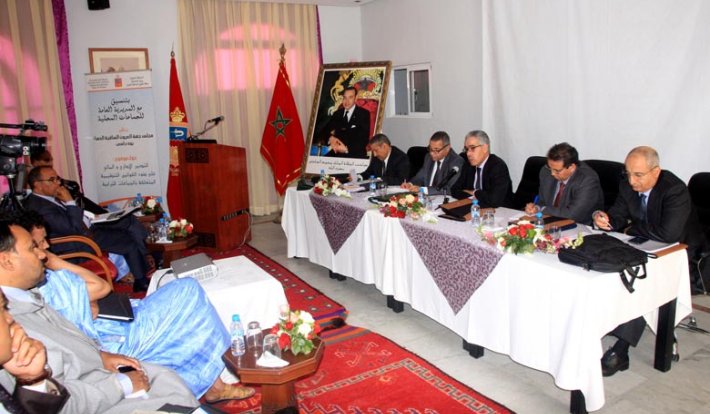
"Administrative and financial management in the light of organic laws relating to territorial collectivities" is the theme of a meeting organised, on Monday in Laâyoune, at the initiative of the Regional Council of Laâyoune-Sakia El Hamra.Organised in coordination with the General Directorate of Territorial Collectivities, this meeting is part of the concretisation and support of the reforms of the legal arsenal relating to territorial collectivities both at the level of management mechanisms and that of the strengthening of human and financial resources.Speaking on this occasion, the Vice-President of the region, Blahi Abad, stressed that this meeting aims to strengthen the skills of elected officials and territorial executives to contribute effectively to the management of local affairs, raise their performance and ensure the success of the reform process, noting that the legislator h…
Continue reading with a member account
Create your free account or sign in to read this full article.
