
News
05 Dec 2012
2 min read
The RENAM holds its 3rd thematic session on 6 and 7 December
Placed under the theme "the involvement of residents and civil society in the rehabilitation process of the Medinas"
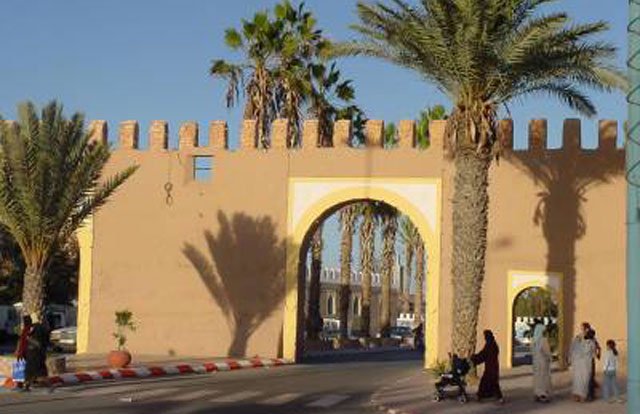
The National Network of Ancient Medinas (RENAM) is holding its third thematic session on 6 and 7 December in Tiznit, with the participation of representatives from nine member cities of the Network, as well as administrative staff and local civil society actors.Placed under the theme "the involvement of residents and civil society in the rehabilitation process of the Medinas", this meeting aims to finalise the debate on the Network's Charter after the completion of the legal consultation stage, indicates a statement from the municipality.Participants in this seminar, which is supported by the German GIZ Morocco cooperation programme and the General Directorate of Local Authorities, will have the opportunity to assess the experience of the Tiznit Municipal Council in terms of community engagement and the involvement of civil society in the local decision-making process through the annual…
Continue reading with a member account
Create your free account or sign in to read this full article.

