
FrançaisEnglishالعربيةDeutschEspañolNederlandsItaliano中文

Your cart is empty

Adventure awaits!

About Rabat

Rabat (in Arabic: الرباط [ar-Ribat]) is the capital of Morocco and the second largest urban area in the country after...

News in Rabat

Follow the latest news, projects, and official announcements from your ville.

News 12 May 2014 4 min read

More than 18 billion DH to ensure the urban and tourist development of the Kingdom's capital

His Majesty King Mohammed VI presided, on Monday, over the launch ceremony of several structuring projects intended to ensure the urban and tourist development of the Kingdom's capital, mobilising investments of more than 18 billion dirhams (billion DH), reports the MAP.
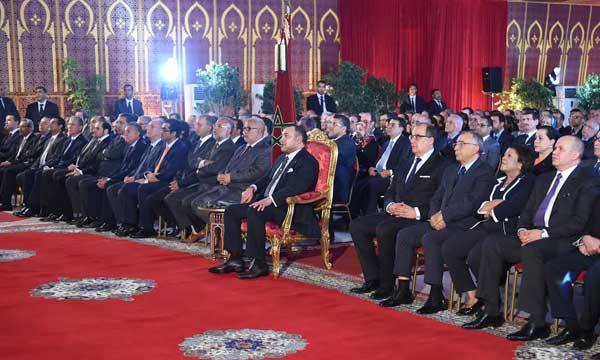
More than 18 billion DH to ensure the urban and tourist development of the Kingdom's capital

The Sovereign thus proceeded to the launch of the integrated development programme for the city of Rabat 2014-2018, christened “Rabat City of Light, Moroccan Capital of Culture”, and the “Wessal Bouregreg” and Grand Theatre of Rabat projects.

At the beginning of this ceremony, the Wali of the Rabat-Salé-Zemmour-Zaër region and Governor of the Rabat prefecture, Abdelouafi Laftit, presented an exposé before H.M. the King in which he emphasised that the “Rabat City of Light, Moroccan Capital of Culture” programme (9.425 billion DH) was developed in accordance with the High Royal Orientations aimed at the development of the urban fabric of the various cities of the Kingdom according to a coherent and balanced vision. This five-year programme, which will allow the administrative capital of the Kingdom to rise to the rank of major world metropolises, is structured around seven main axes, namely the valorisation of the city's cultural and civilisational heritage, the preservation of green spaces and the environment, the improvement of access to local social services and facilities, and the strengthening of governance. These axes also concern the requalification of the urban fabric, the consolidation and modernisation of transport facilities, the revitalisation of economic activities, and the strengthening of road infrastructure, he affirmed. These various projects planned within the framework of the “Rabat City of Light, Moroccan Capital of Culture” programme will be piloted by a public limited company bearing the name “Rabat Aménagement”, he added. The Director General of the Moroccan Tourism Development Fund (FMDT), Tarik Senhaji, indicated for his part that an innovative project, christened “Wessal Bouregreg”, will be realised in parallel with the integrated development programme for the city of Rabat 2014-2018. This major project (8.7 billion DH), which comes to reinforce the economic, social, and cultural influence of the city, aims to breathe a new socio-economic dynamic into the region, to strengthen the tourist vocation of the city, and to create jobs. It includes the construction of the Grand Theatre of Rabat (2,000 seats), a National Museum of Archaeology and Earth Sciences, and several cultural centres, a residential complex, hotel units, spaces dedicated to commercial and recreational activities, the development of green spaces, in addition to the realisation of a Marina. “Wessal Bouregreg” will be the living and concrete testimony of Morocco's desire to turn towards a future where competitiveness, challenge, and performance can coexist with quality of life, by offering residents and visitors of the Rabat-Salé cities the opportunity to reconnect with the sea and the river and to connect the two agglomerations, he added. Wessal Bouregreg, continued Mr Senhaji, is the second project in a series of realisations in Tangier and Casablanca with the contribution of the sovereign investment fund “Wessal Capital”. The Director of the Bouregreg Valley Development Agency, Lamghari Essakl, indicated for his part that the flagship programme “Rabat City of Light, Moroccan Capital of Culture” will be reinforced by the realisation of the Grand Theatre of Rabat, which should contribute to the strengthening of the cultural infrastructure of the Kingdom's capital and will constitute a masterpiece that will combine tradition and modernity.

Mr Essakel also emphasised that the actions planned within the framework of the first phase of the Bouregreg Valley development project have been completed, noting that these works, which consisted of upgrading the site, valorising and restoring historical heritage, realising new road infrastructure to ensure better traffic flow, and developing several public spaces, have made it possible to improve the image of the region and make it a destination of choice. On this occasion, H.M. the King presided over the signing ceremony of seven conventions relating to the implementation of the various projects launched. This ceremony took place in the presence of the Head of Government, advisors to H.M. the King, members of the government, economic operators of the city of Rabat, representatives of local authorities, and elected officials.

Listen
Size:

