

The arrest of the professor from Ibn Zohr University in Agadir, accused of trafficking university diplomas, has reached Parliament. On Monday, the Head of Government, Aziz Akhannouch, while at the chamber, avoided the subject when questioned about this case. He recalled that it remains in the hands of the justice system.
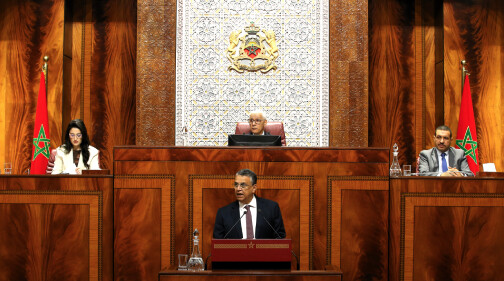
This Tuesday, the subject was raised again during the plenary session dedicated to the vote on the reform of criminal procedure. The Minister of Justice, Abdellatif Ouahbi, took the opportunity to make a surprising revelation about the accused. The latter, he informed the deputies, chaired an anti-corruption association.
"Speaking of the scandal that shook Ibn Zohr University, I have an agreement signed by the association that the accused chairs and my predecessor; I can share it with you if you wish," he announced aloud.
The minister deemed it appropriate to reveal this detail in the wake of the debate on Article 3 of the reform, which limits the ability of anti-corruption associations to take legal action in cases related to public funds.
The text of the reform, let us recall, prohibits associations from reporting cases of corruption when it involves public funds. Only the King's Prosecutor at the Court of Cassation can initiate public action at the request of the President of the Court of Auditors or based on reports from financial inspection institutions and public administrations. Also, the text sets up a series of obstacles for associations to sue or declare themselves a civil party.
Criticized in the chamber by the opposition, Abdellatif Ouahbi stood his ground in defending the merits of this measure. According to him, it is an additional guarantee for the presumption of innocence and a way to protect "honest" elected officials against defamatory denunciations which, according to him, some associations use as an instrument of blackmail and intimidation against them. By citing the case of the arrested professor, the minister wanted to give a concrete example.
As a reminder, the professor in question is in pre-trial detention in Marrakech. He is suspected of having orchestrated a diploma trafficking network at Ibn Zohr University. The suspicions date back to 2021.
The accused made sure to arrange tailor-made theses for his "clients" who obtained their diplomas in exchange for a sum of money. The latter would then pass their defense before a complacent and bribed jury.
This Tuesday, the subject was raised again during the plenary session dedicated to the vote on the reform of criminal procedure. The Minister of Justice, Abdellatif Ouahbi, took the opportunity to make a surprising revelation about the accused. The latter, he informed the deputies, chaired an anti-corruption association.
"Speaking of the scandal that shook Ibn Zohr University, I have an agreement signed by the association that the accused chairs and my predecessor; I can share it with you if you wish," he announced aloud.
The minister deemed it appropriate to reveal this detail in the wake of the debate on Article 3 of the reform, which limits the ability of anti-corruption associations to take legal action in cases related to public funds.
The text of the reform, let us recall, prohibits associations from reporting cases of corruption when it involves public funds. Only the King's Prosecutor at the Court of Cassation can initiate public action at the request of the President of the Court of Auditors or based on reports from financial inspection institutions and public administrations. Also, the text sets up a series of obstacles for associations to sue or declare themselves a civil party.
Criticized in the chamber by the opposition, Abdellatif Ouahbi stood his ground in defending the merits of this measure. According to him, it is an additional guarantee for the presumption of innocence and a way to protect "honest" elected officials against defamatory denunciations which, according to him, some associations use as an instrument of blackmail and intimidation against them. By citing the case of the arrested professor, the minister wanted to give a concrete example.
As a reminder, the professor in question is in pre-trial detention in Marrakech. He is suspected of having orchestrated a diploma trafficking network at Ibn Zohr University. The suspicions date back to 2021.
The accused made sure to arrange tailor-made theses for his "clients" who obtained their diplomas in exchange for a sum of money. The latter would then pass their defense before a complacent and bribed jury.
