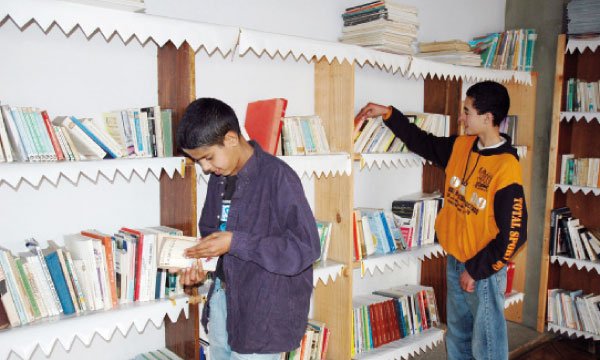
Despite its proximity to two large metropolises and its enormous potential, the seaside resort is one of those cities where cultural, artistic, and sporting activities, as well as leisure for young people, are sorely lacking. The existing structures and the programmes offered are outdated and do not allow young people to have fun and use their free time usefully. The profound changes that our country has experienced imply the inclusion of young people in strategic choices, given the major role that this segment of the population plays. The projects carried out in Mohammedia must be valorised to allow the city to make culture, through youth centres, its credo for the reinforcement of a youth that is more socialised, more cultivated, and more aware of its future responsibilities.
As paradoxical as it may seem, the city of Mohammedia, with its 350,000 inhabitants, including more than 25,000 students at the university campus, has only two youth centres in total, one in the lower town and the other in El Alia. The observation is indisputable: young people cannot all benefit from these spaces, and the reality reveals deficiencies at this level, depriving young people of the opportunity to flourish and to practice useful activities that could prevent them from being bored. The deficit that marks the youth centres does not allow the youth, the hope of the country, to express themselves, to show their talents, to succeed in the cultural, artistic, and sporting dynamism of a city renowned for its cultural symbols and monuments. Some densely populated neighbourhoods do not have such spaces, thus depriving young people of the opportunity to benefit from cultural and artistic activities that would keep them away from idleness. The existing spaces are insufficient and poorly distributed, hence the need, to mitigate the deficit, to think about the creation of new youth centres, particularly in working-class neighbourhoods.
Furthermore, it is necessary to dwell on the role of youth centres and to innovate for the reinforcement of these structures, their basic equipment, their activities, and their programmes. These spaces, once valorised, will be able to contribute to taking a big step towards social evolution. It is enough to recall the holiday camps, literacy courses, etc., organised by the youth centres. Regarding the promotion of youth, it is necessary to favour the development of new programmes and the reinforcement of festivals and events intended for them.
According to this associative actor, the most important thing is "the upgrading of these educational and cultural spaces, with a new concept of generalisation and consolidation of citizenship, and at the same time, involving young people in the social and cultural development of their neighbourhoods in order to achieve a boom and sustainable human development through these structures". To break with the policies conducted previously, it is necessary to take an interest in rural communes and provide them with infrastructure and structures capable of promoting culture, discovering talents, and giving these places an important place in the public space of the communes concerned. In any case, the national youth debate organised on 22 December 2012 by the Ministry of Youth and Sports set itself the objective of establishing a participatory dynamic that will allow the youth to know their rights and their role within the framework of the country's boom.
Meeting a crucial need
Youth centres contribute to the cultural, artistic, and sporting development of young people, thus facilitating their integration into social and active life. The creation of new structures will fill the current deficit and meet the expectations of young people and associative actors in the fields of education and animation. These structures must have a budget capable of financing the various programmes and projects to valorise the performance and talents of young people.
-* Carry out an upgrading of youth centres.
-* Review the content of programmes by implementing promotional programmes and activities.
-* Multiply internal activities, training, and workshops.
-* Improve the quality of services offered.