

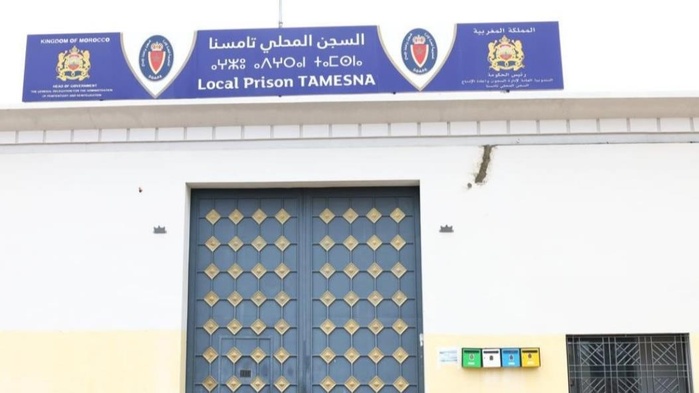
Falling within the framework of a framework convention concluded last August between the Ministry of National Education, Preschool and Sports, and the General Delegation for Prison Administration and Reintegration (DGAPR), this programme aims to improve educational and pedagogical services within penal establishments.
This agreement reflects the desire of both parties to consolidate educational programmes intended for detainees, as well as to put in place new programmes meeting the reintegration needs of this category, within the framework of an approach of individualisation of reintegration programmes and equitable education.
In a statement to the press, the Director of Social and Cultural Action for Detainees at the DGAPR, Idriss Aguelmam, highlighted the importance of this programme which offers a new opportunity for young detainees to be able to reintegrate into society, through education and training.
The programme includes three streams, namely computer science, hairdressing and painting, he specified, adding that after release, people who have benefited from this training will be able to enter the labour market, schools or vocational training centres.
For his part, the Director of Remedial Schooling and Inclusive School under the Department of National Education and Preschool, Hssain Oujour, welcomed the efforts made by the Prison Administration to guarantee the right to education for these detainees, regardless of the conditions of detention.
This programme, he said, is focused on two components, professional qualification and initiation into trades, thus contributing to the development of essential skills capable of facilitating, in the future, the reintegration of detainees into society.
For their part, beneficiaries expressed their satisfaction and joy at participating in this training which offers them the opportunity to resume their studies and acquire skills capable of facilitating their reintegration into society.